
Best Solar Battery Brands for UK Homes
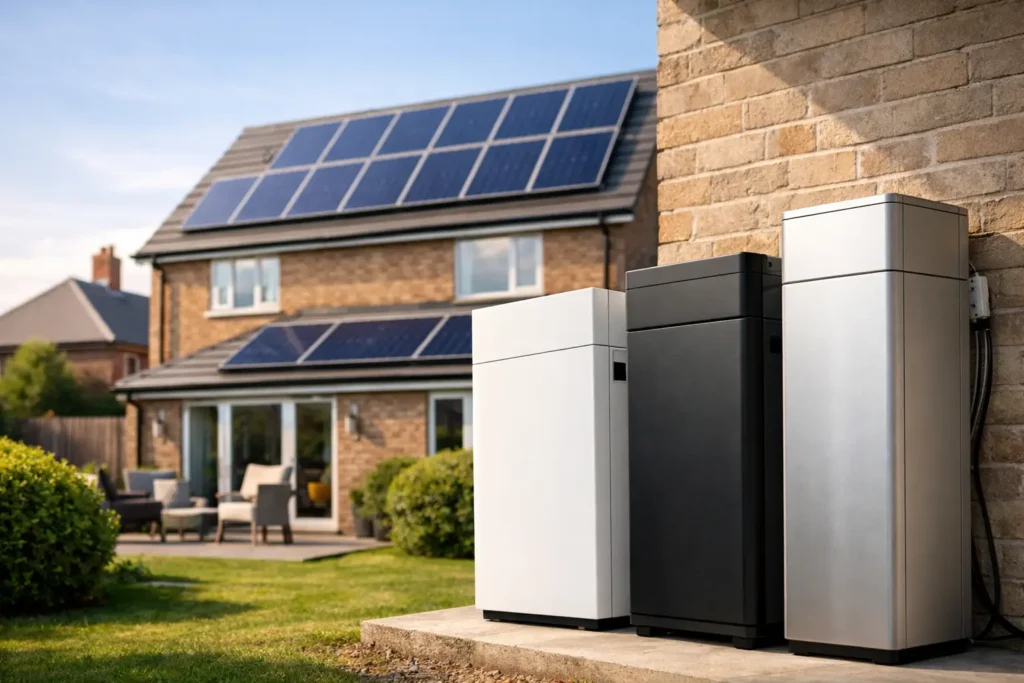
Choosing a battery is often the point where a solar project starts to feel complicated. Panels are fairly familiar now, but battery storage brings a different set of questions around backup power, lifespan, compatibility and whether the extra cost will genuinely pay back. If you are comparing the best solar battery brands, the right answer is rarely the one with the loudest marketing. It is the one that suits your property, your energy use and the way you want the system to work day to day.
For most homeowners and business owners, brand matters, but not in isolation. A good battery from the wrong installer or fitted into the wrong system can disappoint. Equally, a less flashy option from a proven manufacturer can perform very well when it is specified properly. That is why it helps to look past headline capacity figures and focus on what actually affects value.
What makes the best solar battery brands worth considering?
The strongest battery brands tend to get the basics right consistently. That means dependable performance, clear warranties, sensible app monitoring, proven compatibility with inverters and support that does not disappear after installation.
Battery chemistry is one part of the picture. Most modern domestic systems use lithium iron phosphate or similar lithium-based technology because it offers good cycle life and stability. What matters more in practice is usable capacity, discharge rate, efficiency and how the battery behaves over time. A battery advertised at 10 kWh is not always giving you the same usable energy, and two batteries with similar capacities can feel quite different in real use.
Warranty terms are another area where the details matter. Some brands offer a strong headline warranty but tie it to throughput limits, registration steps or operating conditions that many buyers never notice at quote stage. The best manufacturers are usually the ones that explain their warranty clearly and have a track record of honouring it.
Then there is system design. Some batteries are better suited to homes that use most of their energy in the evening. Others are stronger for backup applications, off-grid setups or commercial sites with larger demand peaks. There is no universal winner.
Best solar battery brands in the UK market
Several names appear regularly when people research battery storage in Britain, and for good reason. They each have strengths, but they are not interchangeable.
Tesla Powerwall
Tesla remains one of the most recognised names in battery storage. The Powerwall appeals to buyers who want a sleek all-in-one product, strong app functionality and solid backup capability. It is often seen as the premium choice, and in some homes that is justified.
Its strengths include a well-developed user experience, decent storage capacity and strong brand confidence. It can work particularly well for households that want whole-home backup or expect their battery to play a visible role in managing usage.
The trade-off is cost and flexibility. Tesla is not always the simplest or most economical fit for every property, especially where a more modular setup would suit better. Availability and installer access can also vary.
GivEnergy
GivEnergy has built a strong reputation in the UK, particularly with homeowners looking for practical value and clear monitoring. It is a familiar option because it suits a wide range of domestic systems and often offers good flexibility in capacity.
One reason it is frequently shortlisted is that it feels designed with the UK market in mind. It can be a sensible choice for time-of-use tariff users, households wanting to charge from cheaper overnight electricity and properties that want a system to grow over time.
As with any brand, performance depends on configuration. A well-sized GivEnergy setup can represent very good value, but the right inverter pairing and thoughtful installation are still key.
SolarEdge Home Battery
SolarEdge is often considered by buyers who already have, or are planning to install, a SolarEdge inverter system. Its battery offering makes the most sense when you want an integrated ecosystem rather than mixing multiple manufacturers.
That integrated approach can simplify monitoring and help create a tidy, well-matched installation. It is especially appealing where panel-level optimisation is already part of the design.
The main consideration is that SolarEdge tends to be most compelling within its own ecosystem. If you are not building around SolarEdge equipment, other battery brands may offer better value or broader flexibility.
Enphase IQ Battery
Enphase is known for microinverter technology, and its IQ Battery range is often considered by homeowners prioritising modular design and smart energy management. It is a strong name in premium solar, especially where roof layouts are more complex.
Its modular nature can be attractive if you want to start smaller and expand later. Enphase also scores well for software and system visibility.
However, it is not always the cheapest route to storage. For some properties, especially straightforward installations, other brands may deliver similar practical results at a lower upfront cost.
BYD Battery-Box
BYD is widely respected in energy storage and electric mobility, and its Battery-Box range is often chosen for flexibility. It has a strong reputation among installers because it can suit both residential and commercial settings depending on configuration.
A key advantage is modularity. If your energy use is likely to change, or you want a battery system that can scale, BYD is often worth a serious look. It also pairs with several inverter brands, which gives designers more options.
The customer-facing experience may feel less lifestyle-led than some premium consumer brands, but from a technical and value perspective it is often a very credible choice.
AlphaESS and Fox ESS
These brands have become increasingly visible in the UK market. They are often considered where buyers want a more affordable route into battery storage without stepping too far away from established technology.
In the right application, they can work well and offer strong value. They are especially relevant when budget is a major factor and the system is being designed around practical return rather than premium branding.
This is where installer judgement matters most. Lower-cost equipment is not automatically poor quality, but the margin for poor specification can feel smaller. A transparent quote should explain exactly what you are getting and why it has been recommended.
How to compare battery brands properly
The best way to compare brands is to start with your own usage rather than a product brochure. A household that is empty all day and busy in the evening needs something different from a business trying to reduce expensive afternoon import peaks.
Look first at usable storage. Then consider power output, because that affects what the battery can run at once. A larger battery with weak discharge capability may not perform as expected during high-demand periods.
Backup power is another point many buyers assume is standard when it is not. Some batteries can provide backup during a grid outage, some need extra hardware, and some are mainly designed for self-consumption rather than resilience. If backup matters to you, that needs to be designed in from the start.
Software matters more than many people expect. Good monitoring helps you understand savings, spot faults and adjust usage patterns. A battery that performs well on paper but gives poor visibility can be frustrating over time.
Finally, consider aftercare. Battery storage is a long-term asset. It makes sense to choose a brand with a solid presence in the UK market and an installer who will still be there if you need support.
The brand is important, but the installer matters just as much
This is the part many comparison articles miss. The best solar battery brands can only perform as intended if the system is properly designed, correctly installed and clearly explained. Poor workmanship, rushed commissioning or vague handover information can undermine even an excellent battery.
A good installer should talk through your consumption profile, tariff, future plans and whether battery storage is likely to deliver the savings you expect. They should also be honest when a premium brand is worth the extra spend and when it is not.
For example, some homes benefit from a high-end integrated system with strong backup functionality. Others will get a better return from a simpler, modular battery that stores excess solar and charges cheaply overnight. Neither choice is automatically better. It depends on the property and the priorities.
That is especially relevant for customers in places such as Bournemouth, Poole, Christchurch and the wider Dorset and Hampshire area, where property types, roof layouts and usage patterns can vary significantly from one installation to the next. A tailored approach nearly always delivers better results than a one-size-fits-all package.
So which brand is best?
If you want a premium all-in-one battery with strong backup appeal, Tesla will often be part of the conversation. If you want strong UK relevance and good value, GivEnergy is a serious contender. If you want a battery designed around a broader system ecosystem, SolarEdge or Enphase may be the better fit. If flexibility and modular expansion matter, BYD is often a strong option. If budget is driving the decision, AlphaESS and Fox ESS may deserve a closer look.
The better question is not which brand tops a generic list. It is which battery will perform best in your home or business over the next ten to fifteen years, with a specification that matches your usage and an installer you trust to stand behind the work.
A good battery should make your energy costs more predictable, give you more control and fit naturally into the way you live or work. That is worth far more than a famous badge on the casing.