
How to Choose Solar Installers Wisely
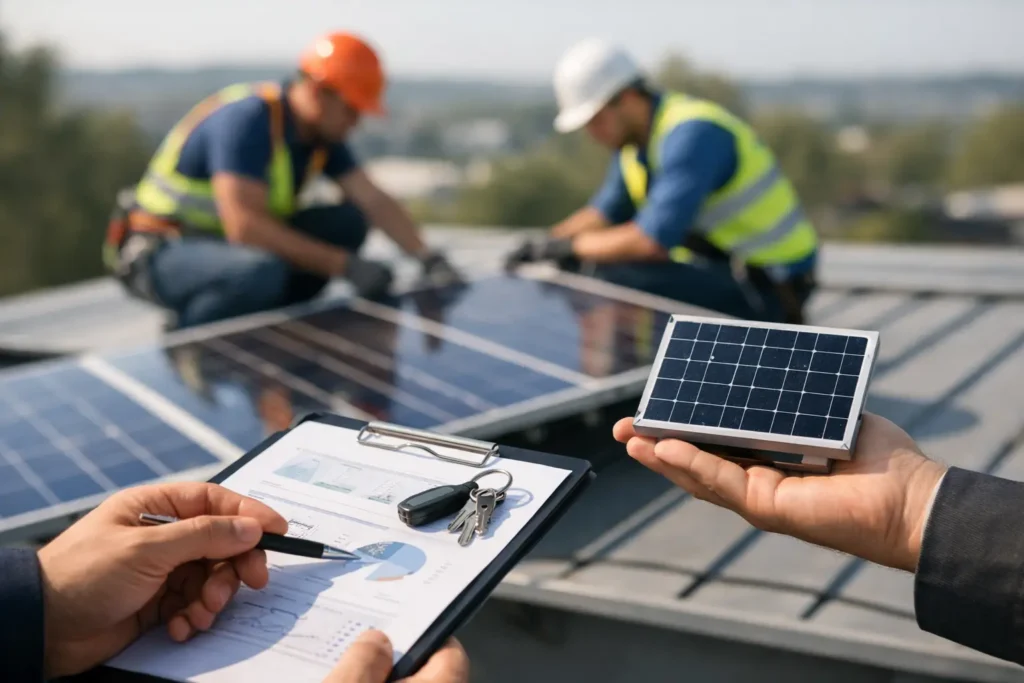
A low headline price can look tempting until the scaffolding comes down and you realise nobody clearly explained the warranty, the generation forecast or who is actually responsible for the installation. If you are wondering how to choose solar installers, that is usually the real challenge – separating a well-designed system and reliable aftercare from a sales pitch that sounds good on the day.
Solar is a long-term investment. The panels may sit on your roof for 25 years or more, and the quality of the installer often matters just as much as the quality of the equipment. A good installer will help you understand what you are buying, what it should produce, how it will be fitted and what support you can expect after handover.
Why choosing the right installer matters
Most people start by comparing panel brands, battery sizes and projected savings. Those things matter, but the installer shapes the result. System design affects generation. Cable runs, roof fixings and inverter placement affect performance and appearance. Paperwork and compliance affect whether the installation is safe, insurable and eligible for the right documentation.
The installer also influences your experience from the first survey onwards. If they are vague before the contract is signed, they are unlikely to become clearer later. If the quote is rushed, the design may be too. Good solar should feel well planned, not improvised.
How to choose solar installers without relying on guesswork
The most reliable approach is to look at four areas together: technical competence, transparency, delivery model and aftercare. A company can sound convincing in one of these areas and still fall short overall.
Start with whether they actually install the systems they sell. Some businesses are primarily sales operations that pass work to subcontractors. That does not automatically mean the installation will be poor, but it can make accountability harder when questions come up later. If one team sells the job, another designs it and a third installs it, you need to know who is responsible if there is a problem.
An installer with an in-house process is often easier to deal with because communication is more direct. You are more likely to get consistent advice from survey to commissioning, and there is less room for details to be lost between departments or third parties.
Check accreditations and compliance properly
You do not need to become an expert in regulations, but you do need to confirm the basics. Ask whether the installer is MCS-compliant and what certification and handover documents you will receive. A reputable company should answer this clearly and without dodging the question.
Compliance is not just a badge. It is part of what shows the system has been designed and installed to recognised standards. It also gives you more confidence that the generation estimates, equipment choices and installation methods are being handled properly.
If your project includes battery storage, EV charging or an off-grid element, ask about direct experience with those systems too. Solar is not one-size-fits-all. A straightforward roof-mounted domestic array is very different from a battery-led setup or a commercial project with more complex load patterns.
Look closely at the survey and design stage
One of the clearest signs of a good installer is the quality of the initial assessment. They should ask sensible questions about your energy use, your roof, any shading issues, future plans and whether battery storage is worth considering. If the proposal appears to come from a postcode and a rough roof estimate alone, be cautious.
A strong design process should explain why the system is sized the way it is. For a homeowner, that might mean matching generation to daytime and evening use. For a business, it could mean understanding weekday demand, seasonal usage and site operating hours. Bigger is not always better. An oversized system may take longer to pay back, while an undersized one may leave savings on the table.
The best proposals are usually the clearest ones. You should be able to see what equipment is included, what output is expected, what assumptions have been made and what is excluded from the price.
Compare quotes like a buyer, not just a bargain hunter
It is perfectly sensible to get more than one quote. The mistake is comparing only the total figure at the bottom of the page.
A cheaper quote can reflect fewer panels, lower-grade components, shorter warranties, weaker mounting systems or less support after installation. It may also leave out details such as bird protection, monitoring, scaffolding, electrical upgrades or battery-ready configurations. On the other hand, the highest price is not automatically the best either. What matters is whether the quote is complete, well explained and suited to your property and goals.
When you compare proposals, look at the predicted annual generation, the assumptions behind the savings, the inverter and battery specification, workmanship warranty, product warranties and estimated installation timescale. If two installers have reached very different conclusions about your roof or expected return, ask why. The quality of the answer will tell you a lot.
Ask how transparent the pricing really is
Trust is often built in the small details. Can the installer explain the quote in plain English? Are optional extras clearly separated from essential works? Do they talk openly about any limitations of the property, such as shading, roof condition or export constraints?
Good solar companies do not need to rely on confusion. They should be comfortable explaining where your money is going and where the return is likely to come from. If finance is being discussed, that clarity matters even more. Monthly affordability is useful, but it should not distract from the total cost, likely savings and long-term value.
Reputation matters, but context matters more
Reviews can be helpful, but they should not be read in isolation. A page full of five-star ratings is encouraging, yet it is more useful to understand what people are actually praising. Look for comments about communication, tidiness, reliability, aftercare and whether the finished system matched the original proposal.
It is also worth asking how long the company has been operating locally and whether they have completed projects similar to yours. A homeowner with a simple south-facing roof may not need the same level of specialist experience as a rural property owner looking at battery storage and backup, or a business installing a larger commercial system. Relevant experience is more valuable than generic claims.
For customers in places such as Bournemouth, Poole, Christchurch and the wider Dorset and Hampshire area, a genuinely local installer can offer practical advantages. Site visits are easier to arrange, support is more accessible and the company is more likely to have a reputation that can be checked through real word of mouth rather than marketing alone.
Do not treat warranties as a footnote
Many buyers ask about panel warranties but forget to ask about workmanship and ongoing support. Both matter. Product warranties usually come from the manufacturer, but the installer still plays a key part if something needs diagnosing or replacing. You want to know who you call, what happens next and whether support is likely to be straightforward.
Ask for clarity on the workmanship warranty, what it covers and how service issues are handled. Also ask whether system monitoring is included and whether someone will talk you through performance once the installation is complete. Solar should not become a mystery the moment the paperwork is signed.
Good installers set realistic expectations
Be wary of anyone promising perfect savings, unusually fast payback or a system that solves every energy problem at once. Solar performance depends on roof orientation, shading, consumption habits, electricity prices and whether you add storage. A trustworthy installer will explain the upside without pretending there are no variables.
That honesty is a good sign, not a drawback. It means the company is more interested in getting the design right than in winning the job at any cost.
The best choice usually feels clear, not pressured
A good installer leaves you better informed after the conversation than before it. You understand the design, the price, the process and the likely return. You know who will carry out the work. You know what happens if you have a question six months later.
That is usually how to choose solar installers with confidence: not by chasing the lowest number, but by looking for competence, clarity and accountability in equal measure. The right company should make a complex purchase feel manageable, while still being honest about the details that matter.
If you are taking your time and asking careful questions, you are already approaching the decision in the right way. Solar works best when the system is tailored properly and the people behind it are still there after the install is done.